
Web Design Trends for UK Businesses in 2026
Posted By: Arjun Published: 18, Nov 2026
- 1. 1. AI-Powered Website Experiences
- 2. 2. Minimalist and Clean Website Design
- 3. 3. Mobile-First Website Design
- 4. 4. Faster Websites and Better Performance
- 5. 5. Interactive and Engaging Website Elements
- 6. 6. Accessibility-Focused Website Design
- 7. 7. Bold Typography and a Unique Visual Identity
- 8. 8. SEO-Friendly Website Structure
- 9. 9. Dark Mode and Customised User Interfaces
- 10. 10. Sustainable and Lightweight Web Design
- 11. How to Choose the Right Web Design Trends for Your Business
- 12. Why Should UK Businesses Invest in Modern Website Design?
- 13. Conclusion
- 14. FAQs
- 14.1. Q1. What are the most important web design trends 2026?
- 14.2. Q2. Why is mobile-first website design important for UK businesses?
- 14.3. Q3. How does website design affect SEO?
- 14.4. Q4. How often should a business update its website design?
- 14.5. Q5. How can Figmanet Solutions help UK businesses with web design?
- 14.6. Q6. What should a business prioritise when redesigning its website?
- 15. Related Blogs
The way customers interact with businesses online continues to evolve. A website is often the first place potential customers visit before contacting a company, comparing services, or making a purchase. For UK businesses, having a website that looks professional is no longer enough. It must also be fast, accessible, easy to navigate, secure, and suitable for mobile users.
As customer expectations change, businesses need to pay attention to web design trends 2026 that improve both appearance and functionality. The right design choices can help visitors find information quickly, build confidence in a brand, and take actions such as making an enquiry or completing a purchase.
In this guide, we explore ten important website design developments and explain how UK businesses can apply them to create more effective online experiences.
1. AI-Powered Website Experiences

Artificial intelligence is changing how websites interact with visitors. Businesses can use AI-powered chatbots to answer common questions, guide customers to relevant services, recommend products, and provide support outside normal business hours.
For example, an online clothing store can suggest products based on a visitor’s browsing preferences. A professional services firm can use a chatbot to direct visitors to the right service page or collect basic enquiry details.
AI should support the customer journey rather than make it more complicated. Businesses should provide clear options to contact a real person, avoid collecting unnecessary personal information, and review AI-generated responses to maintain accuracy.
2. Minimalist and Clean Website Design
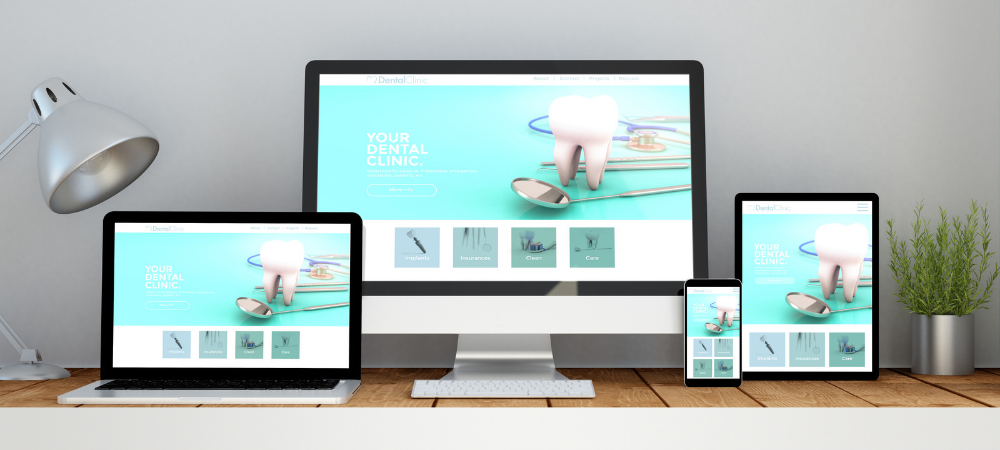
A clean layout helps visitors focus on the information that matters. Instead of filling pages with too many banners, colours, animations, and decorative elements, modern websites use clear spacing, readable typography, and straightforward navigation.
Useful elements of minimalist website design include:
Plenty of white space to separate sections.
Simple menus that make important pages easy to find.
Clear headings and readable font sizes.
A consistent colour palette.
High-quality images that support the content.
Visible calls to action, such as "Contact Us" or "Get a Quote".
For a UK consultancy, for example, a clean homepage can highlight its main services, experience, client information, and contact details without overwhelming visitors. Minimalism should make a website easier to use, not remove information customers need.
3. Mobile-First Website Design
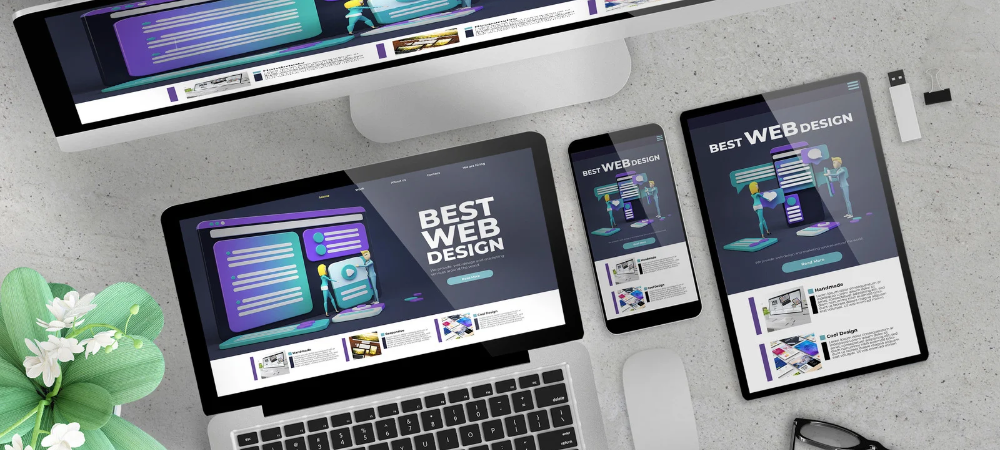
Many customers use smartphones to search for local services, compare products, read reviews, and contact businesses. A mobile-first approach means planning the website experience for smaller screens first and then adapting it for tablets and desktops.
A mobile-friendly website should include:
Navigation that is easy to use on a small screen.
Text that can be read without zooming.
Buttons with enough space to tap comfortably.
Images that resize correctly.
Short, easy-to-complete enquiry forms.
Important contact details that are easy to access.
For example, a restaurant website should make its menu, location, opening hours, and booking information easy to find on a phone. A well-planned mobile experience helps visitors complete tasks without unnecessary effort.
4. Faster Websites and Better Performance

Website speed is an important part of user experience. Visitors may leave if a page takes too long to load, especially when browsing on a mobile connection. Slow pages can also make it harder for customers to complete forms, view products, or move between sections.
Google's Core Web Vitals provide useful measures of loading performance, interactivity, and visual stability. Businesses can use these metrics to identify areas that need improvement.
Practical ways to improve website performance include:
Compressing images and using suitable modern formats.
Removing scripts and plugins that are not needed.
Using efficient code and reliable hosting.
Enabling browser caching where appropriate.
Reducing unnecessary redirects.
Checking page performance on mobile devices.
A faster website creates a smoother experience for visitors. Businesses should test important pages regularly rather than assuming that a website is fast simply because it loads quickly on an office computer.
5. Interactive and Engaging Website Elements
Interactive features can make a website more useful and help visitors understand products or services. Examples include product image galleries, expandable FAQs, calculators, comparison tools, subtle animations, and interactive enquiry forms.
An eCommerce business might allow customers to zoom in on product images or select product variations. A property website could provide filters that help visitors narrow down listings by location, price, or property type.
However, interactive elements should have a clear purpose. Excessive animation, auto-playing media, or complicated effects can distract visitors and affect performance. The best approach is to use interaction where it makes a task simpler or provides useful information.
6. Accessibility-Focused Website Design
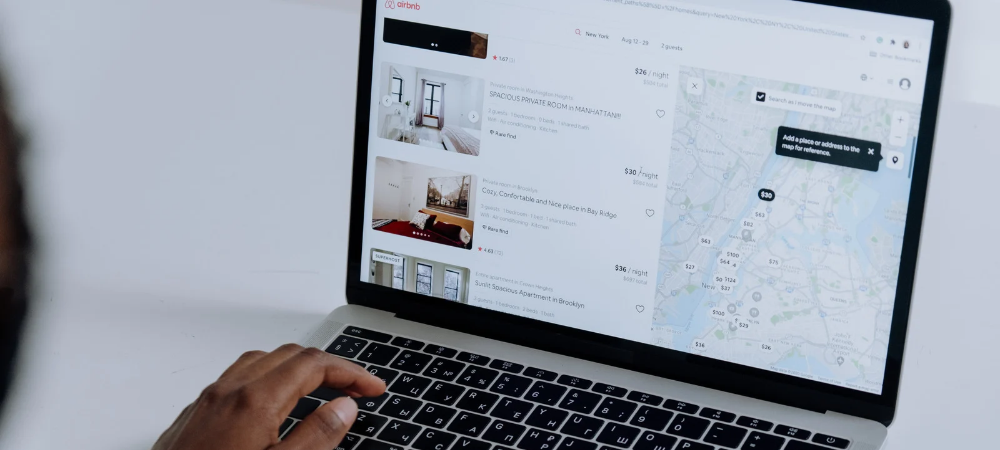
An accessible website is designed so that people with different abilities can use its content and features. This includes visitors who rely on screen readers, keyboard navigation, captions, or other assistive technologies.
Businesses should consider accessibility throughout the design and development process. Important practices include:
Adding meaningful alternative text to informative images.
Maintaining sufficient contrast between text and backgrounds.
Using descriptive headings in a logical order.
Making menus and forms usable with a keyboard.
Providing captions or transcripts for relevant audio and video.
Adding clear labels and instructions to form fields.
Avoiding colour as the only way to communicate important information.
The Web Content Accessibility Guidelines (WCAG) provide recognised guidance for improving digital accessibility. Following these principles can make a website easier to use for a wider range of visitors.
7. Bold Typography and a Unique Visual Identity
Typography helps shape how visitors recognise and understand a brand. Strong headings, carefully selected fonts, and consistent text styles can make a website more distinctive while improving readability.
The right visual style depends on the business. A creative agency may choose expressive typography and bright colours, while a financial consultancy may prefer a more restrained and formal appearance.
Businesses should create a consistent visual system across headings, body text, buttons, colours, and imagery. Fonts should remain readable across different screen sizes, and decorative styles should never make important information difficult to understand.
8. SEO-Friendly Website Structure
A well-designed website should help visitors find information and make it easier for search engines to understand the content. SEO should be considered during planning and development, rather than added only after the website is launched.
Important practices include:
Writing unique and descriptive page titles and meta descriptions.
Organising content with a logical heading structure.
Creating clear navigation and useful internal links.
Using descriptive URLs.
Adding relevant image alt text.
Making pages mobile-friendly.
Improving loading performance.
Creating helpful, original content for the intended audience.
For example, a UK accountancy firm could create separate, informative pages for bookkeeping, tax support, and business registration rather than placing every service on one crowded page. A clear structure helps users reach the information they need and supports search engine understanding.
Good design alone does not guarantee higher rankings. Useful content, technical SEO, relevance, and a positive user experience all contribute to a website's overall search performance.
Businesses researching web design trends 2026 should also remember that SEO needs to be considered from the beginning of website development.
9. Dark Mode and Customised User Interfaces

Dark mode uses a darker background with lighter text and interface elements. Some websites offer visitors the option to switch between light and dark themes, giving them more control over their browsing experience.
When designing a dark mode interface, businesses should check text contrast, button visibility, icons, images, and form fields. A design that looks attractive may still be difficult to read if the contrast is too low.
Dark mode is not suitable for every brand or website. Businesses should choose it based on their audience, content, and overall visual identity. If a theme switch is provided, both versions should offer the same features and information.
10. Sustainable and Lightweight Web Design
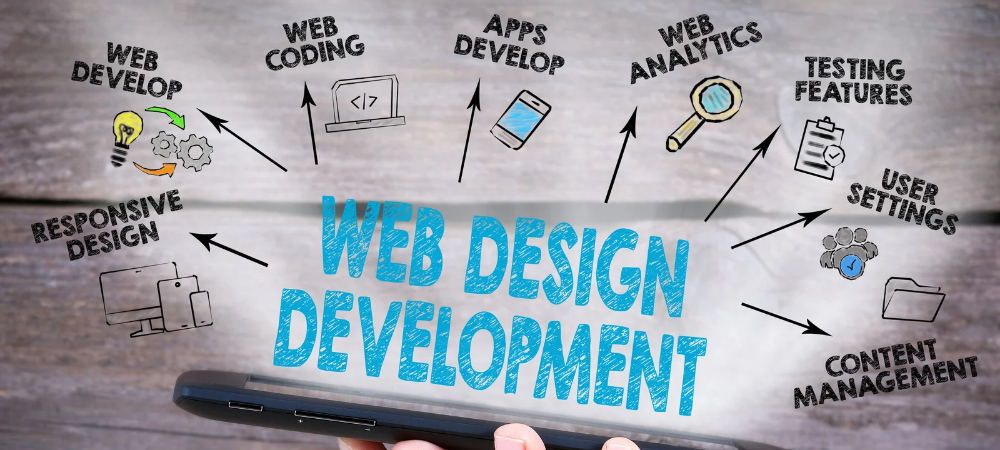
Sustainable web design focuses on reducing unnecessary digital resources while keeping websites useful and effective. Large images, excessive animations, unnecessary scripts, and poorly optimised pages can increase data transfer and affect performance.
Businesses can make websites more efficient by:
Optimising images and video files.
Choosing lightweight fonts.
Removing unused plugins and scripts.
Keeping page layouts and code efficient.
Avoiding unnecessary autoplay features.
Reviewing third-party tools and integrations.
These improvements can reduce page weight and often support faster loading. Sustainable design is not just about appearance; it is about building a website that uses resources thoughtfully while meeting visitors' needs.
How to Choose the Right Web Design Trends for Your Business
Not every design trend will suit every business. Before making changes, consider your target audience, website goals, budget, and the tasks visitors need to complete.
For example, an online store may benefit most from mobile-first layouts, product recommendations, and faster checkout pages. A consultancy may prioritise clear service information, accessible forms, and a professional visual identity.
Use web design trends 2026 as a source of ideas, not a checklist that every business must follow. Test changes where possible, review visitor feedback, and use website analytics to understand whether an update is improving the experience.
Why Should UK Businesses Invest in Modern Website Design?
A business website should do more than display information. It should help potential customers understand what the company offers and make it easy for them to take the next step.
A well-planned website can help businesses:
Build trust through clear information and professional presentation.
Provide a consistent experience across mobile, tablet, and desktop.
Make products and services easier to explore.
Encourage relevant enquiries, bookings, and purchases.
Support search engine visibility through a clear structure.
Communicate the brand's identity and value.
The most effective web design trends 2026 are those that solve real customer problems and support measurable business goals. Businesses should focus on usefulness and performance instead of adopting visual effects simply because they are popular.
Conclusion
Website design continues to bring together visual creativity, technology, accessibility, and performance. AI-powered features, clean layouts, mobile-first experiences, faster loading, and accessible interfaces can all help businesses create more useful websites.
For UK businesses, the priority should be to build a website that reflects the brand, answers customers' questions, works across devices, and makes it easy to get in touch. Regular reviews and thoughtful improvements can keep the website relevant as customer expectations change.
At Figmanet Solutions, we help businesses create professional websites with modern design, responsive layouts, user-friendly navigation, and SEO-conscious structure. Whether you are planning a new business website or looking to improve an existing one, our team can help you choose an approach that fits your goals and your customers.
FAQs
Q1. What are the most important web design trends 2026?
Important web design trends 2026 include AI-powered website features, minimalist layouts, mobile-first design, improved website performance, interactive elements, accessibility, bold typography, SEO-friendly structures, dark mode, and sustainable design.
Q2. Why is mobile-first website design important for UK businesses?
Mobile-first design helps visitors use a website comfortably on smartphones and tablets. It makes navigation, reading content, viewing products, and submitting enquiry forms easier for people who browse on mobile devices.
Q3. How does website design affect SEO?
Website design can affect SEO through mobile usability, page speed, navigation, content structure, accessibility, and internal linking. A clear, well-organised website helps visitors find information and helps search engines understand its pages. However, design by itself cannot guarantee search rankings.
Q4. How often should a business update its website design?
There is no fixed schedule for redesigning every website. Businesses should review their website regularly and consider a larger update when the design feels outdated, the site performs poorly, the brand changes, or customer needs are no longer being met. Smaller improvements can be made whenever an issue is identified.
Q5. How can Figmanet Solutions help UK businesses with web design?
Figmanet Solutions helps businesses develop professional websites with responsive layouts, modern visuals, user-friendly navigation, and SEO-conscious structures. The approach should be based on each business's services, audience, and website goals.
Q6. What should a business prioritise when redesigning its website?
A business should start with its customers' needs and the main purpose of the website. Priorities may include mobile usability, clear service information, accessible design, fast loading, strong security, and simple enquiry or checkout journeys.
 Guiding your business journey